The Blues Aesthetic
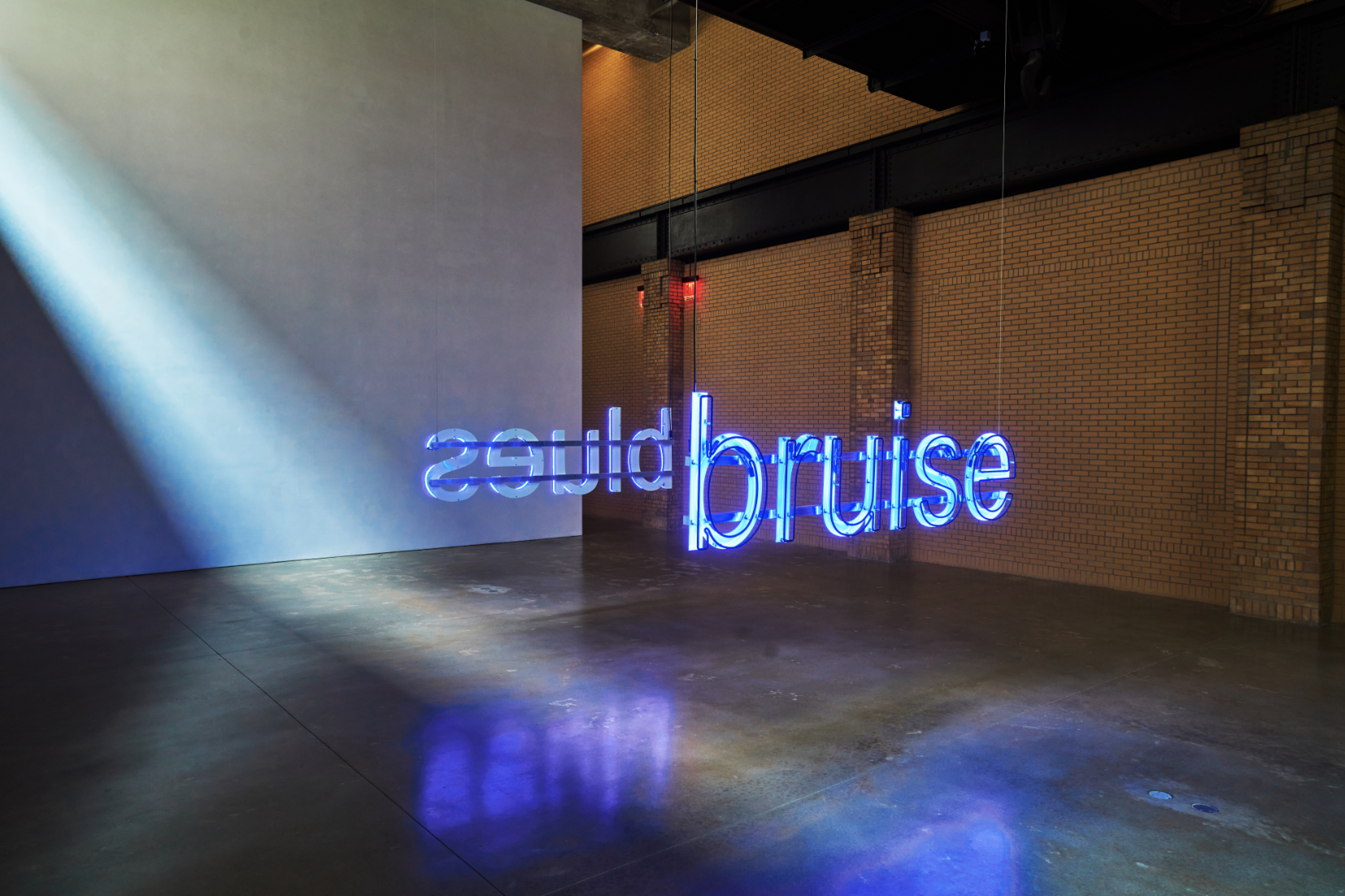
Glenn Ligon’s blue neon work Untitled (Bruise/Blues) within the gallery space
Glenn Ligon · Untitled (Bruise/Blues) · 2014
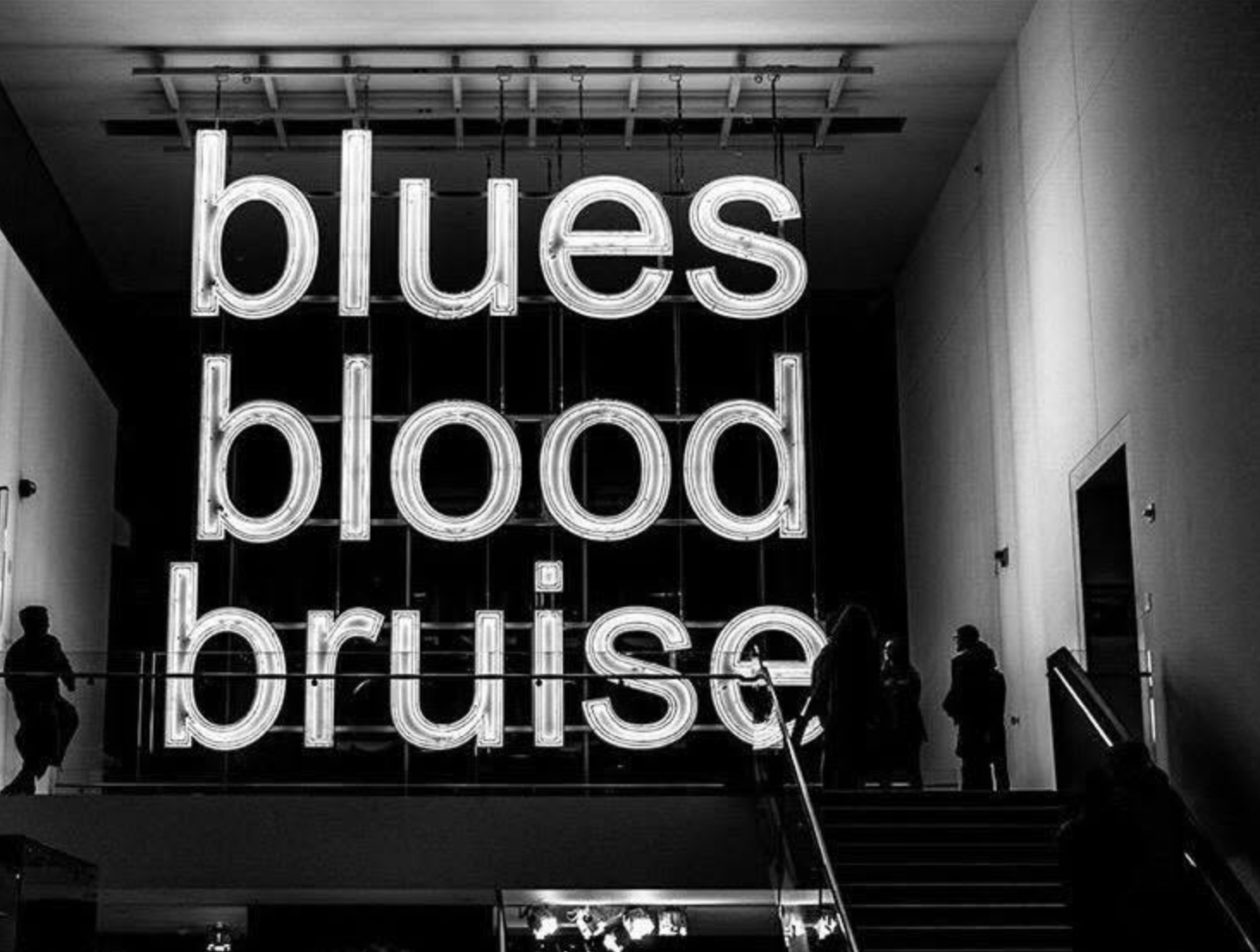
Glenn Ligon’s illuminated installation A Small Band reading blues, blood, bruise
Glenn Ligon · A Small Band · 2015

From musical rootsto a cornerstone of American cultural influence

Blues music emerged in the late nineteenth century from the African American experience in the American South. Drawing on work songs, spirituals and field hollers—and rooted in African rhythm and song—it transformed adversity into expression, pain into resilience, and lived experience into hope and affirmation. The Blues became foundational to American popular music, helping give rise to jazz, rock & roll, R&B, soul, rap and hip-hop and shaping much of the music we know today. Through these forms, its influence has reached around the world.

The transformative power of the Blues also became a defining American aesthetic—The Blues Aesthetic—that has helped shape American art, culture and national identity. Rooted in the Blues’ distinctive rhythms, call-and-response, improvisation and deeply personal expression, it extends beyond music across the arts, offering a way of confronting, interpreting and giving voice to the full range of human experience—from sorrow and longing to resilience and joy.

Building on the contributions of generations of artists, writers and scholars, contemporary voices such as Fred Moten, Angela Davis, Kevin Young, Tony Bolden, Travis A. Jackson and Julia Simon, among others, continue to explore and illuminate the Blues Aesthetic and its enduring significance in American art, culture and identity.

2 / The Sound Expands

From the rural South
to Chicago electric
to the world

As the Blues moved from the rural South to Chicago, acoustic traditions became the foundation of a powerful urban electric sound. From Chicago, the music and its influence reached audiences around the world.

3 / Form Becomes Language

Structure creates
space for invention

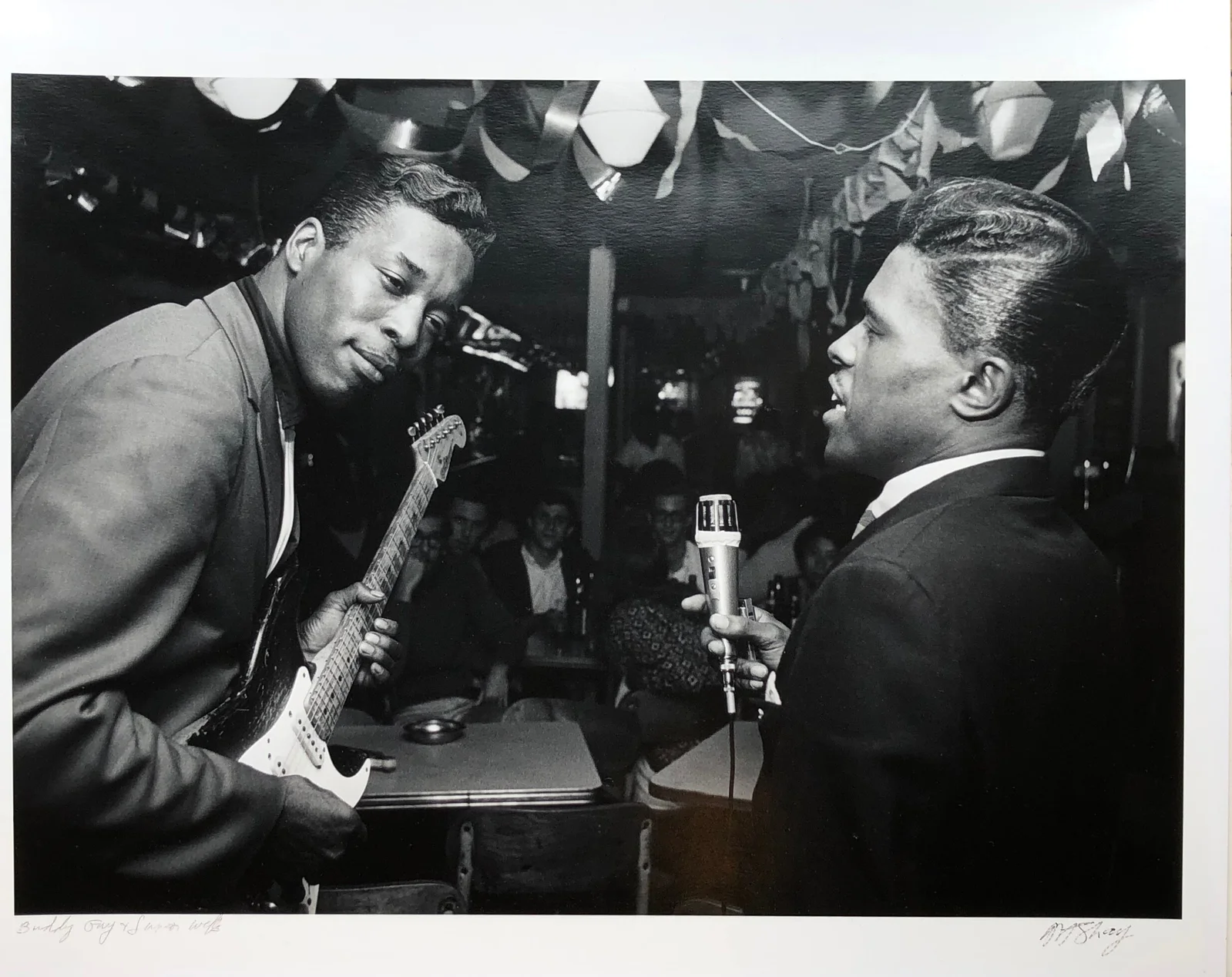
Buddy Guy and Junior Wells performing together in a Chicago Blues club, photographed by Art Shay
Buddy Guy & Junior WellsElectric Chicago · Photograph by Art Shay

The Blues Aesthetic is rooted in the musical language of the Blues—its call and response, rhythmic and harmonic structures, blue notes, improvisation and emotional expressiveness. These elements create a distinctive relationship between individual expression and collective experience, providing a foundation for artistic invention that extends beyond music.

4 / Across the Arts

Artists carry
the legacy forward

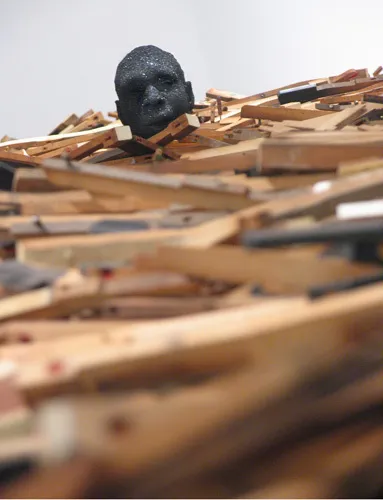
Detail of Radcliffe Bailey’s Windward Coast—West Coast Slave Trade
Radcliffe Bailey · Windward Coast—West Coast Slave Trade (detail) · 2009–11
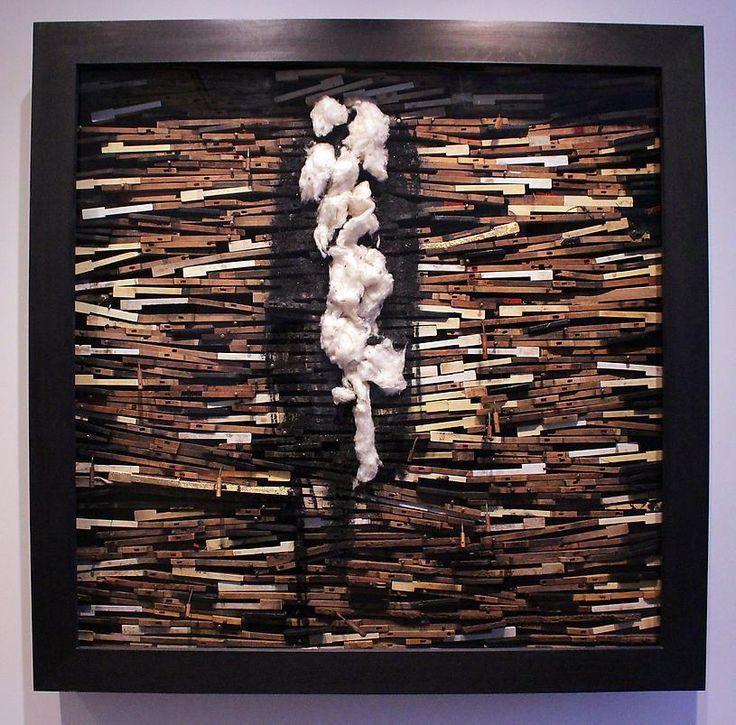
Radcliffe Bailey’s From the Cabinet: Fire Music, composed of piano keys, cotton and charcoal
Radcliffe Bailey · From the Cabinet: Fire Music · 2012
Visual Art · Music Across Continents
“You can say James Brown and you can talk about Fela Kuti, you can say Ali Farka Touré and you can talk about John Lee Hooker.”

Radcliffe Bailey

Visual artist · Sculptor · Mixed-media artist

Across artistic disciplines, the Blues Aesthetic has played an essential role in American modernism and continues to shape both independent and popular culture.

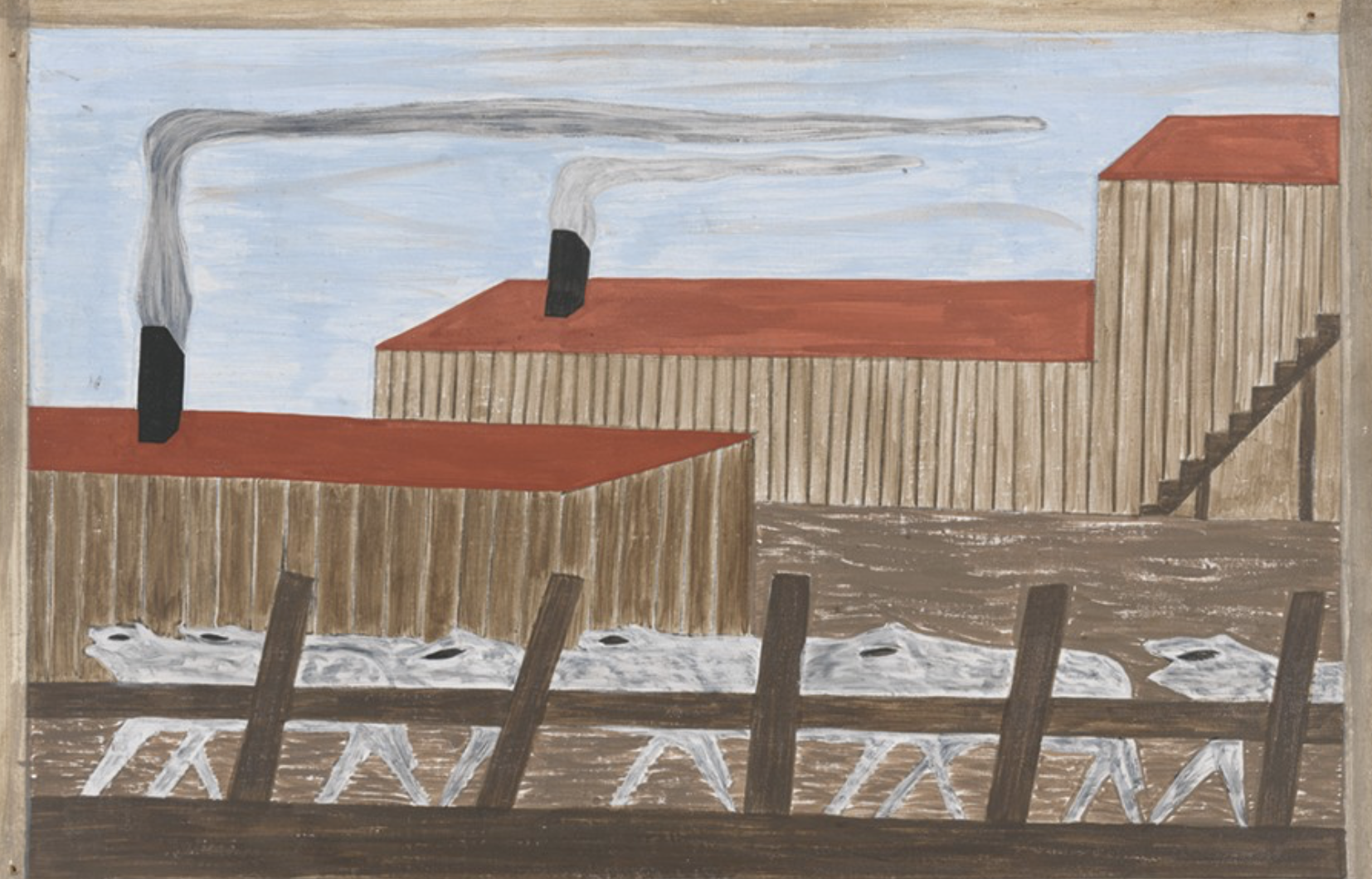
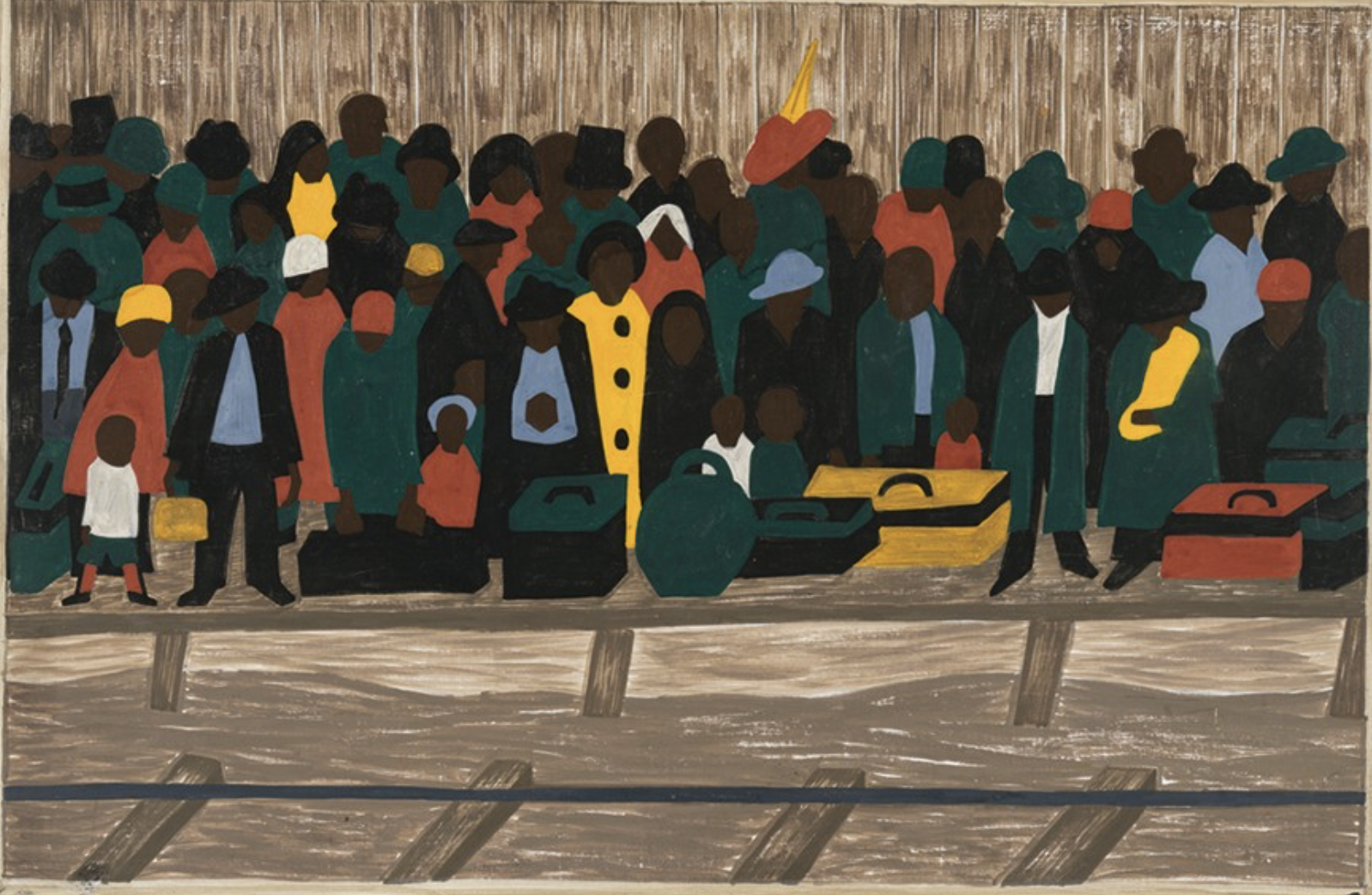
Writers including Langston Hughes, Ralph Ellison and Toni Morrison drew on the Blues’ rhythms, themes and modes of expression to give voice to marginalized people and communities. Visual artists such as Romare Bearden and Jacob Lawrence translated its improvisational structures, cultural memory and emotional depth into images. August Wilson built an extraordinary theatrical language from the ethos of the Blues, while filmmakers including Charles Burnett and Spike Lee carried its rhythms, social observation and expressive power into cinema.

Together, these artists reveal the profound influence of the Blues on American art and on the ways Americans interpret and articulate lived experience.

Artist Voices · Visual Art & Photography

Rhythm, memory and improvisation become image.

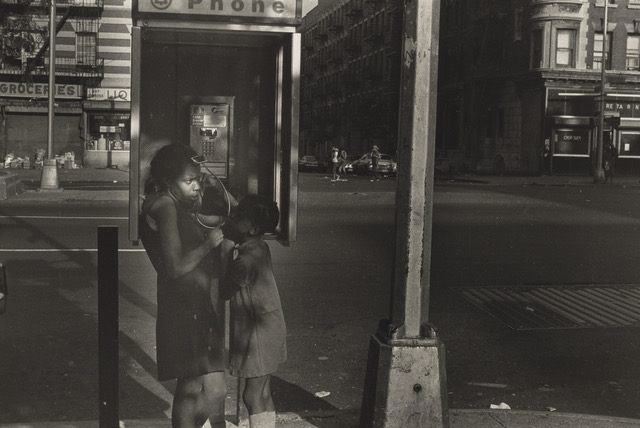
Ming Smith’s photograph Mother and Child
Photography · Music into image

Ming Smith

“If people could feel what I feel when I hear a Billie Holiday song—that’s what I would want them to feel when they look at my work.”

Photographer · Mother and Child

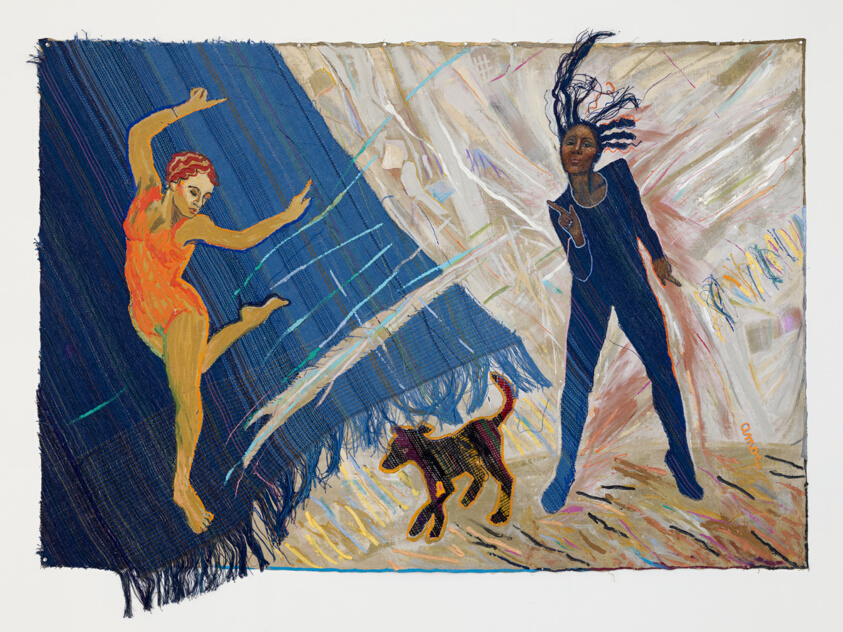
Emma Amos’s painting Black Dog Blues, with two figures and a black dog surrounded by handwoven fabric
Visual Art · Artistic Agency
“It’s always been my contention that for me, a Black woman artist, to walk into the studio is a political act.”

Emma Amos

Painter · Printmaker · Textile Weaver

Black Dog Blues · 1983 · Acrylic on canvas with hand-woven fabric

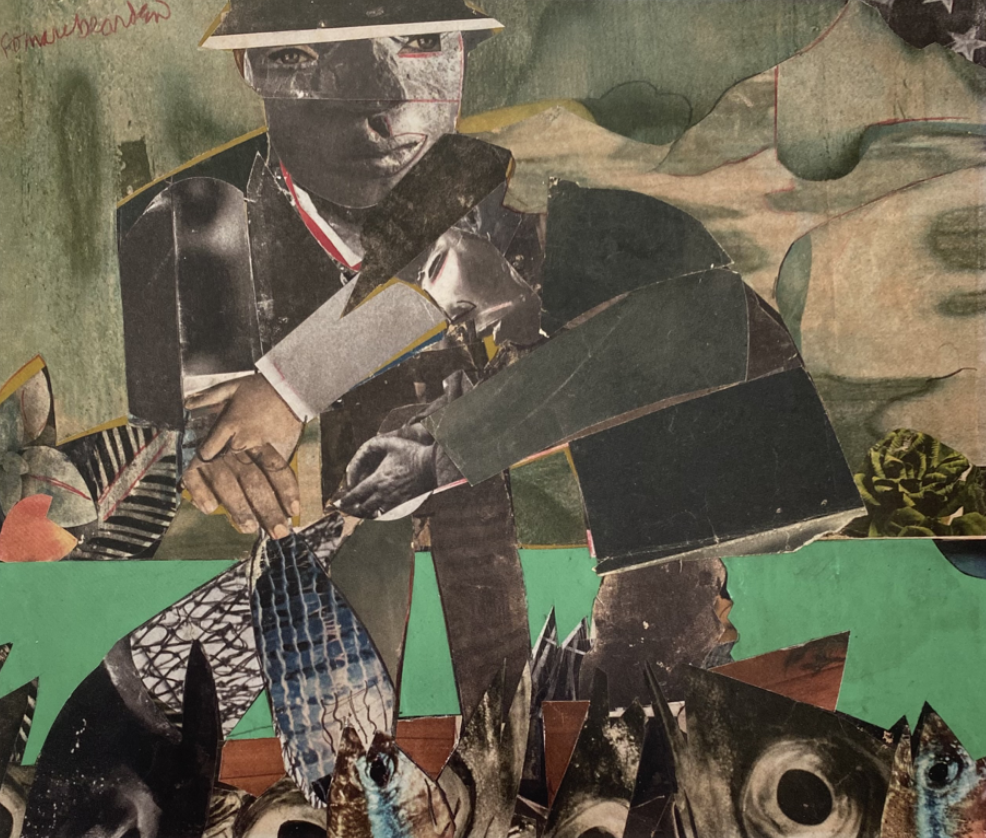
Romare Bearden’s collage Fishing and Crabbing, Three Mile Creek
Visual Art · Form into image
“Blues is a form of visual art, as much as it is music. Its improvisation and expression can be seen in the vibrant, dynamic way I approach my collages.”

Romare Bearden

Painter · Collagist · Writer

Fishing and Crabbing, Three Mile Creek · 1965

Artist Voices · Literature & Theater

The Blues becomes voice, character and dramatic structure.

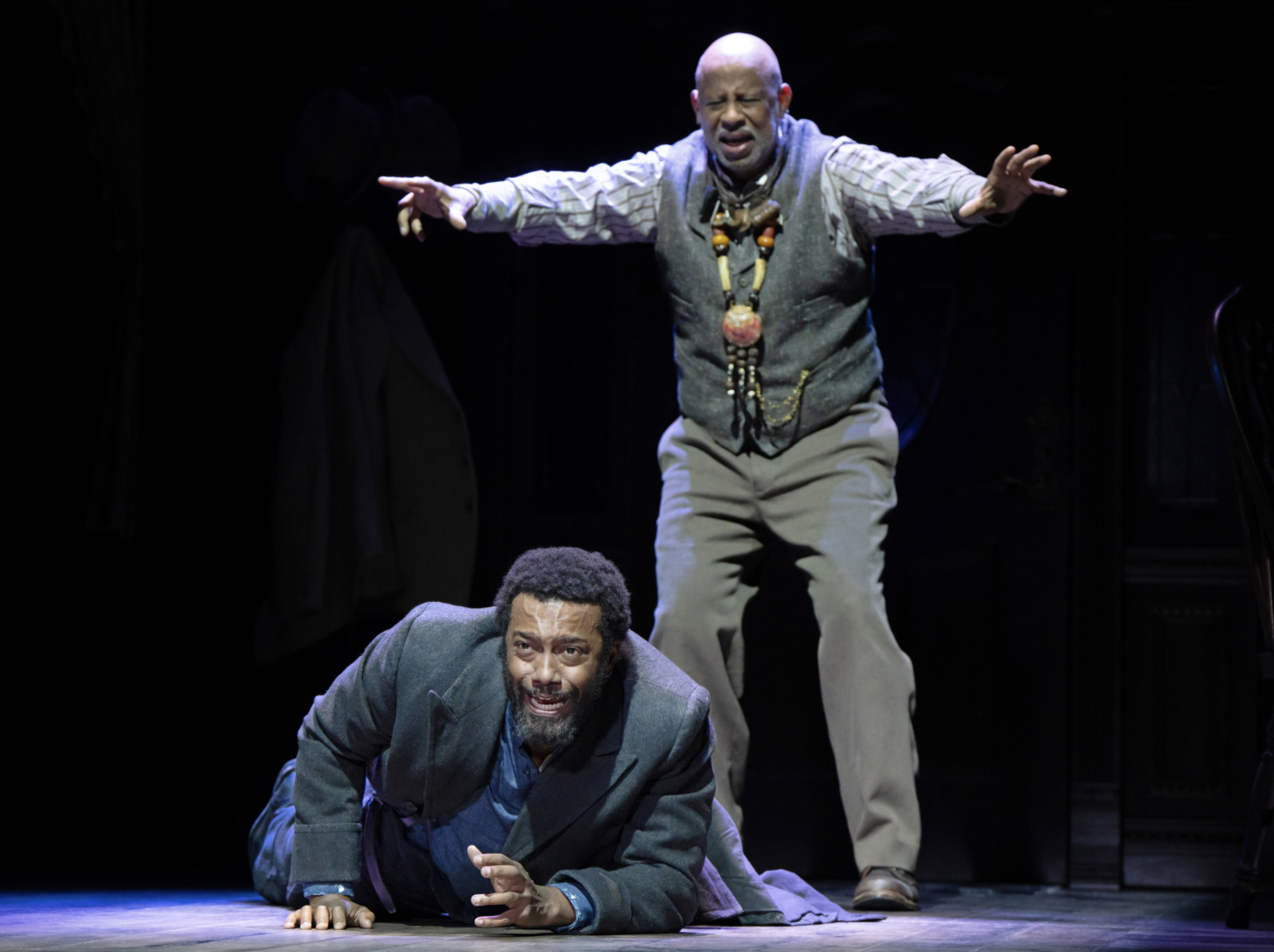
Joshua Boone and Ruben Santiago-Hudson performing in August Wilson’s Joe Turner’s Come and Gone
Theater
“My greatest influence has been the Blues. I think the Blues is the best literature that we as Black Americans have.”

August Wilson

Playwright · Two-time Pulitzer Prize Laureate

Joshua Boone and Ruben Santiago-Hudson in Joe Turner’s Come and Gone · Photo: Julieta Cervantes

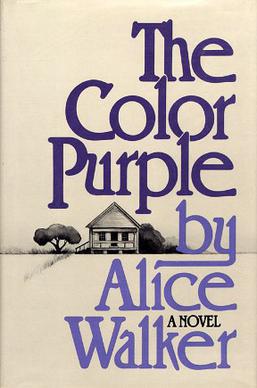
Original book cover of The Color Purple by Alice Walker
Literature
“I would like to be the literary B.B. King.”
“I am trying to arrive at that place where black music already is; to arrive at that unself-conscious sense of collective oneness; that naturalness, that (even when anguished) grace.”

Alice Walker

Writer · Pulitzer Prize Laureate

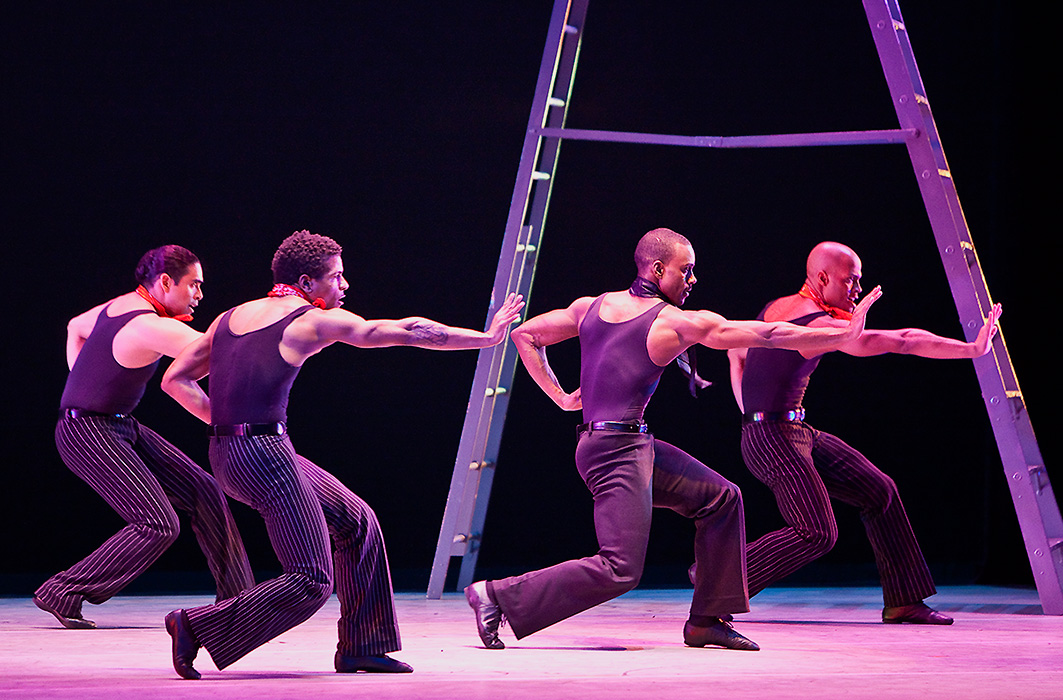
Artist Voices · Dance

Rhythm and emotional truth move through the body.

Alvin Ailey dancers performing onstage
Dance
“The Blues are deeply embedded in our American heritage. Their rhythm, passion and raw emotion are reflected in the movement and stories we tell through dance.”

Alvin Ailey

Choreographer · Presidential Medal of Freedom

Further Expressions

Explore the Blues Aesthetic
across disciplines

“The Blues Aesthetic shares much in common with Expressionism and its call for visualizing inner truths.”

Richard J. PowellAmerican art historian, curator, and practicing artist. John Spencer Bassett Distinguished Professor of Art & Art History at Duke University

Select an image to discover more.

Curatorial Perspective · The Arts in Conversation

Blues for Smoke

Bennett Simpson, Curator
with artist Glenn Ligon

Organized by the Museum of Contemporary Art, Los Angeles, and subsequently presented at the Whitney Museum of American Art in New York, Blues for Smoke explored contemporary art, music, literature and film through the lens of the Blues and Blues aesthetics—demonstrating the Blues’ continuing influence across disciplines, generations and cultural forms.

3:51 VideoMOCA Los Angeles · Blues for Smoke

CCBA Interdisciplinary Program

Music at the center
The arts in conversation

CCBA will put this national role into practice through opportunities for artistic exchange, new work, scholarship and public engagement.

1

Interdisciplinary Residencies & Fellowships

Bringing artists across disciplines together to create new work rooted in the Blues and its continuing influence.

2

Exhibitions, Performances & Screenings

Presenting visual art, dance, theater, film and multimedia work shaped by the Blues Aesthetic.

3

Literature, Scholarship & Public Programs

Creating opportunities for writers, scholars and the public through fellowships, readings, research, publications and conversation.

4

Archives & Cultural Memory

Expanding access to the history, documents and cultural memory of the Blues through future archival partnerships.

CCBA’s National Role
Chicago Centerfor the Blues Arts

A national center
for the Blues Arts

CCBA is being developed as a national center for the Blues Arts—nurturing the creative spirit and cultural depth of the Blues across music, literature, theater, film, visual art, dance and scholarship.

Through interdisciplinary education, artistic exchange and public programs, CCBA will advance understanding of the Blues as a living cultural force—one that continues to shape American art, influence global culture and inspire artistic innovation.

Return to the homepage